
How Women Over 40 Can Build a Better Protein Routine
Learn practical ways to spread protein across meals, choose plant-based options, and create a consistent routine that supports healthy aging.
Why Protein Routines Can Feel Harder After 40

Building a consistent protein intake routine can become more challenging after 40—not because there is one ideal diet for every woman, but because daily needs, schedules, appetite, and activity levels may change. Busy workdays, caregiving responsibilities, travel, and smaller or irregular meals can make it easy to rely on snacks that do not keep you satisfied for long. Some women also find that appetite shifts or digestive preferences affect which foods feel comfortable.
A practical approach is to focus on consistency rather than extreme diets. Protein contributes to meals that are filling and satisfying, and it can be found in foods such as beans, lentils, tofu, tempeh, edamame, nuts, seeds, soy foods, and plant-based protein powders. Individual needs vary based on body size, activity, health status, and medications, so a registered dietitian or qualified healthcare professional can offer personalized guidance. The goal is to create a flexible pattern that fits real life, supports healthy aging, and makes protein intake easier to remember—not to chase a perfect number or make unsupported promises about supplements.
Distribute Protein Across Meals and Snacks
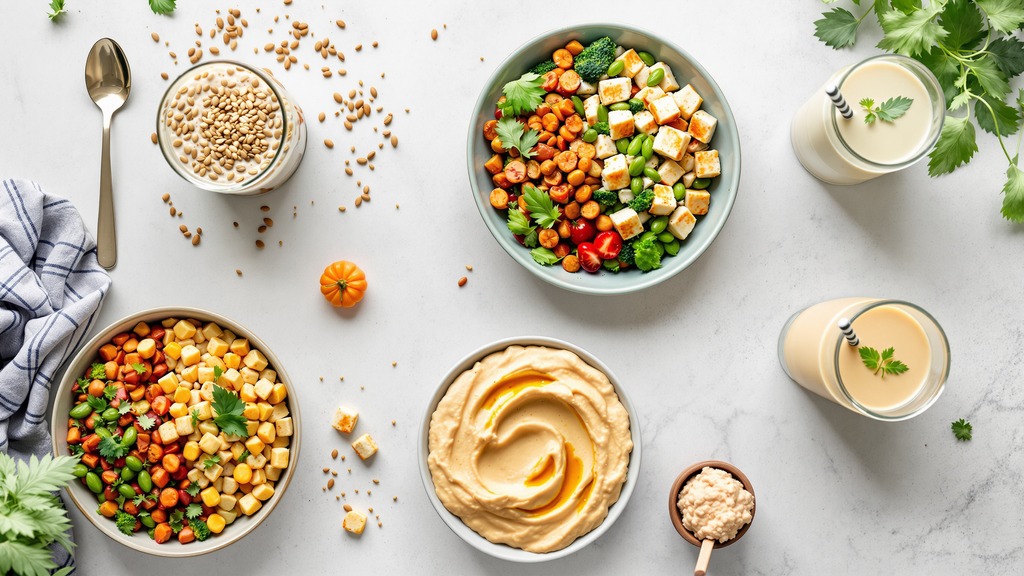
Instead of trying to make up for a low-protein day at dinner, consider distributing protein across breakfast, lunch, dinner, and one or two planned snacks. This can make meals more balanced and reduce the pressure to include a large serving at once. For breakfast, try overnight oats with soy milk and seeds, a tofu scramble, or a smoothie with fruit and plant-based protein powder. Lunch might include lentil soup, chickpea salad, edamame, or a grain bowl topped with tofu.
At dinner, combine a protein-rich plant food with vegetables and a satisfying carbohydrate, such as tempeh with roasted vegetables and brown rice. Keep convenient options available for busy periods: roasted chickpeas, unsweetened soy yogurt, hummus with vegetables, or a measured protein shake can help bridge gaps. When assessing a plant-based protein powder, review the ingredient list, allergen statement, serving guidance, nutrition facts, certifications, and directions. Choose a flavor and format you will realistically use, and follow label instructions rather than assuming more is better. If you have kidney disease, digestive concerns, allergies, or take medications, ask a healthcare professional before changing your supplement routine.
Turn Good Intentions Into a Sustainable Habit

A protein routine works best when it is connected to habits you already have. You might prepare smoothie ingredients after grocery shopping, keep shelf-stable protein options at work, or choose a standard breakfast for weekdays. A simple weekly plan can include two or three repeatable meals, one flexible snack, and a short grocery list. Track how consistently you follow the routine, how convenient it feels, and whether the foods suit your taste and digestion. Then adjust without treating an imperfect day as failure.
Convenience can also support follow-through. A curated plant-based nutrition shop may help you compare ingredients, allergens, certifications, serving information, and safety disclaimers in one place. Routine bundles and optional monthly delivery can reduce the chance of running out, while reorder reminders allow you to change timing or quantity as your needs evolve. Subscriptions should support your routine, not lock you into products you do not use. Keep supplements as one part of an overall eating pattern, and discuss significant diet changes with a qualified professional. The most effective plan is the one that is clear, comfortable, and sustainable through changing schedules.